
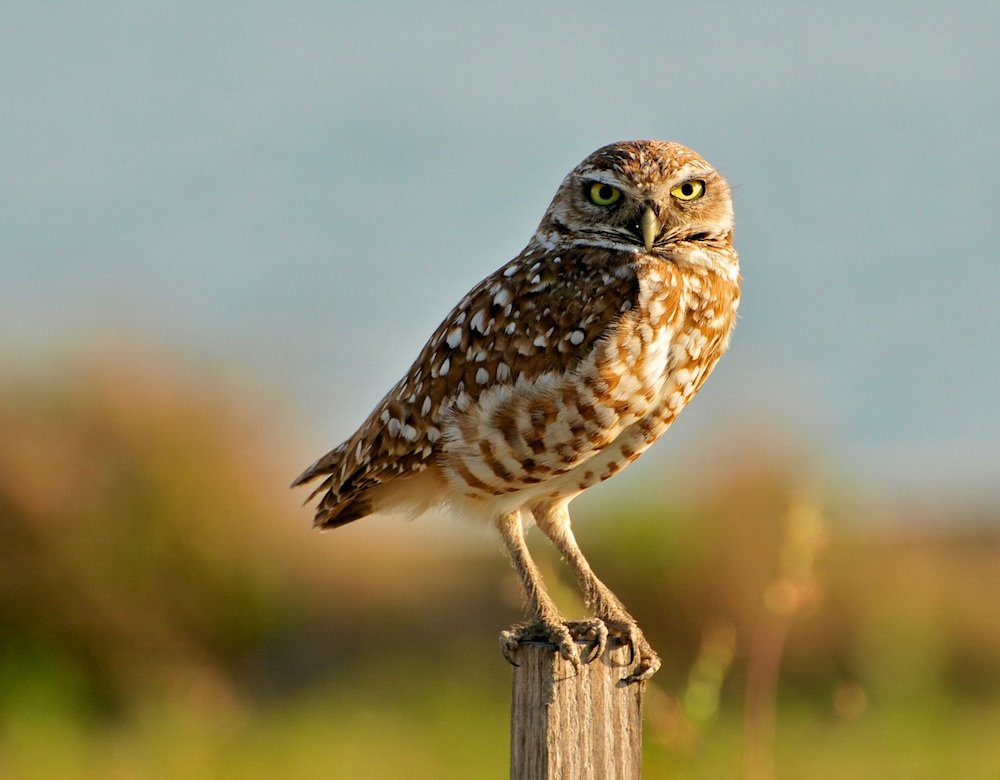
Burrowing Owl. Photo: Jolie Gordon / Audubon Society
BIRD FRIENDLY PRACTICES
Creating a bird and pollinator-friendly yard is one of the most powerful things you can do to help wildlife in your own community. With just a few thoughtful changes, you can turn your outdoor space—no matter how big or small—into a safe, thriving habitat.
By planting natives, going pesticide-free, keeping feeders clean, and trimming responsibly, you're creating a refuge for wildlife right outside your door. Every action you take helps support birds, pollinators, and the ecosystems we all depend on.
Have questions or want to get involved locally? Contact us!
NATIVE PLANTS
Native plants are the foundation of healthy ecosystems. They provide the nectar, seeds, berries, and—insects!—that birds, bees, and butterflies rely on to survive.
Why natives?
Native plants are adapted to local soils and climate.
They support the insects that birds need to feed their young.
They require less water and maintenance than many non-native ornamentals.
Get started with these tools:
Audubon's Native Plant Finder
Enter your ZIP code to find bird-friendly plants native to your area.Calscape – California Native Plant Society
Discover which native plants grow naturally in your exact location and learn how to grow them.Eastside Pollinator Garden Project – Eastern Sierra Land Trust
Local support, resources, and events to help you create pollinator-friendly gardens in the Eastern Sierra.
AVOID PESTICIDES
Insects are a critical part of the food web—and birds can't raise their young without them. Even small amounts of pesticides can harm or kill beneficial insects like bees, butterflies, and caterpillars, and they can poison birds directly, too.
What you can do:
Skip the sprays and choose organic, wildlife-friendly gardening methods.
Tolerate a little nibbling—those chewed leaves mean your garden is feeding someone!
Support natural predators (like ladybugs and birds!) by creating a balanced, pesticide-free environment.
KEEP HUMMINGBIRD FEEDERS CLEAN
Feeding hummingbirds is a wonderful way to connect with nature, but dirty feeders can harbor mold and bacteria that are fatal to these tiny birds.
How to keep feeders safe:
Use a mix of 1 part white sugar to 4 parts water—no red dye!
Clean feeders every 2–3 days in hot weather, and at least once a week in cooler temps.
Use hot water and a bottle brush, or soak in a mild vinegar solution.
If you cannot keep feeders clean, consider planting native plants that attract hummingbirds instead. Native flowers like penstemons, westerncolumbine, and California fuchsia provide natural nectar and support other pollinators too!
TRIM TREES + SHRUBS RESPONSIBLY
Tree trimming and yard maintenance are a normal part of landscaping—but they can unintentionally harm nesting birds if done at the wrong time.
During nesting season, many birds are raising their young in trees, shrubs, and even brush piles. Disturbing or removing these areas can destroy nests, separate chicks from their parents, or expose them to predators.
To protect nesting birds:
Avoid trimming from March through August, when most birds in the Eastern Sierra are actively nesting.
Check carefully for active nests before trimming any trees, shrubs, or hedges.
If you find a nest, delay trimming until the chicks have fledged (usually a few weeks).Schedule major pruning and removals for late fall or winter, when it’s safest for birds.
Being mindful of nesting season helps ensure birds can raise the next generation safely—right in your own backyard.