
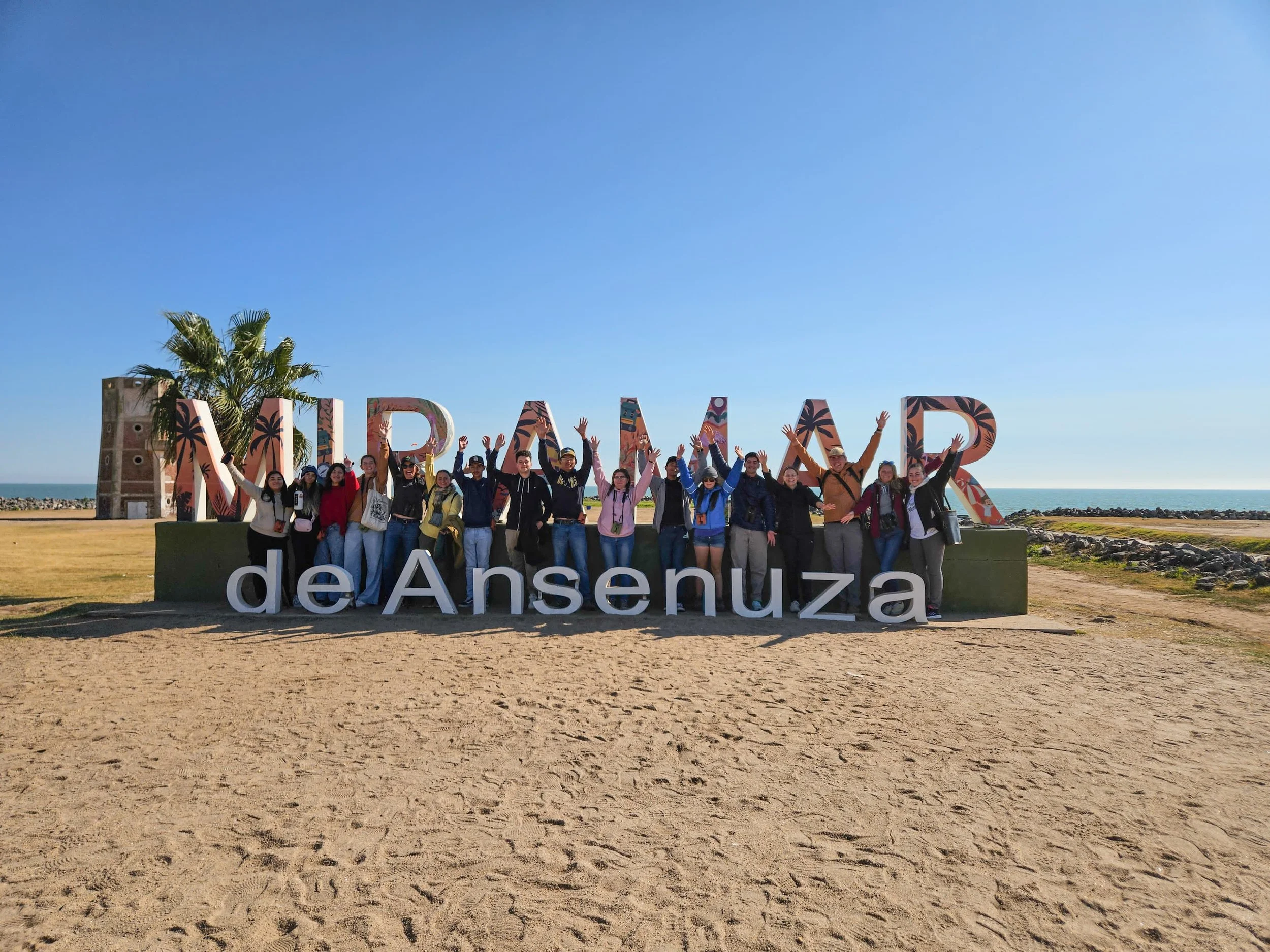
Argentina. Photo: Ambientalia 2024 Exchange
SPONSORED PROJECTS
We at the Eastern Sierra Bird Alliance are proud to be involved with a variety of local research projects, from local Wilson’s phalarope research to an international exchange program for high school students that supports Wilson’s phalarope on both ends of their migration.
Our newest support effort, the California Breeding Bird Atlas, is an exciting new multi-year project that involves numerous sponsors including other chapters across the state, aimed at compiling California’s first breeding bird atlas.
Continuing reading below to learn more about our sponsorship efforts.
If you have any questions or are interested in getting involved, please contact our Science and Conservation Committee chair, Katie Smith, at katie@easternsierrabirds.org.

MONO LAKE PHALAROPE PROJECT
Wilson’s Phalaropes are saline lake specialists, relying on these threatened ecosystems to support their migration across the Western Hemisphere. Nonprofit Oikonos Ecosystem Knowledge is conducting cutting-edge work to learn more about Wilson’s Phalaropes, their journey between Americas’ saline lakes, and how we can combat declines in their populations. Eastern Sierra Bird Alliance has donated multiple nanotags to the Mono Lake phalarope project, resulting in first-ever tracking records of these small but mighty birds.

CALIFORNIA BIRD ATLAS
Eastern Sierra Bird Alliance is proud to announce that we are a Founding Partner of the California Bird Atlas. This nonprofit was launched in 2025 and is spearheading the first-ever statewide effort to map California’s breeding birds. Forty-four other U.S. states have completed Breeding Bird Atlases, which are globally recognized tools that guide conservation and strengthen biodiversity. California is one of only six states without a statewide Atlas, but that’s about to change!
Want to help with this exciting community science project? Just join the project on eBird and learn to use breeding codes if they’re new to you. Slow down a little and look closely at what birds are doing. Watch birds on your own time and enjoy your discoveries about parenthood in the bird world.
Three steps to dive in:
Join the California Bird Atlas project on eBird. Watch this quick video to see how easy it is!
Look for breeding behavior and use breeding codes in your eBird checklists. To learn more about how to do that, see this helpful webinar from the California Atlas team. You can also read about breeding codes on the eBird Atlas site.
Please use comments as part of your eBird checklists to explain any breeding codes that you use. This helps researchers to confirm what you saw. This guide explains what types of comments are most useful for each code.
You can make important observations in your own neighborhood or favorite outdoor spot, or help fill in the blanks where no one else has submitted eBird checklists to the Atlas yet.
Want to see what everyone has found so far? Use the Explore page on the eBird Atlas site to find observations by species and by location (e.g. Inyo or Mono). To see block-by-block data, try the Blockboard map (hint: click on the stack of squares at the upper right corner of the map to switch to the satellite or street background). If you want to go birding where no one has submitted data to the Atlas, that map will help you find those spots! Even in a popular birding area, you might be the first to confirm breeding for a bird species that other people have already seen.
ESBA’s Science and Conservation Committee is coordinating Atlas efforts in the Eastern Sierra, which will be an ongoing effort for 2026-2030.
Contact us to learn more and get involved!
Science and Conservation Committee Chair Katie Smith (katie@easternsierrabirds.org)
Mono County regional coordinator Forrest English (forrest.english@gmail.com)
Mono and Inyo Counties regional coordinators Chris Howard (chris93514@gmail.com) and Rosie Howard (rosiehoward1@gmail.com)
EXPERIENCE AMBIENTALIA
Experience Ambientalia is an environmental education initiative co-organized by the Mono Lake Committee and Fundación Líderes de Ansenuza. This program links local high school students from saline lakes along the Wilson’s Phalarope migration route, teaching them about their backyard ecosystem and its ecological role along the migratory flyway. In both 2024 and 2025, Eastern Sierra Bird Alliance supported international exchanges between students in Mono Lake’s chapter of Experience Ambientalia and their counterparts at Laguna Mar Chiquita, Argentina.
WARM SPRINGS MONITORING PROJECT
Documenting Breeding Bird Population Recovery Following Habitat Restoration in an Alkali Wetland
Eastern Sierra Bird Alliance is leading a multi-year effort to monitor breeding bird populations and vegetation at Warm Springs on the eastern shore of Mono Lake. This unique mosaic of wetlands, springs, and alkali meadows supports a wide diversity of birdlife, including several species of conservation concern.
Beginning in 2026, trained observers will conduct standardized surveys to document how bird and plant communities respond to the federal round-up of the Montgomery Pass Wild Horse Herd. By collecting careful, long-term data, this project aims to deepen our understanding of Mono Lake’s eastern shore ecosystem and lend science-based insights into landscape stewardship.